Day or night
Emergency basement & flood help, any hour
A flooded basement, a sewer backup, a burst winter pipe, or a leak through a shared wall. Get fast, local water damage help and an honest plan to dry your home out.
When water gets into a Philadelphia home, it almost always heads for the basement, and the clock starts immediately. Water damage restoration in Philadelphia is a race: stop the source, pump the water out, and dry the structure before mold takes hold within a day or two. We make that first call simple. Tell us what happened, and an experienced local restoration crew handles the whole job, from extraction to repair, with upfront pricing instead of surprises.
Philadelphia's water story is its own. Most homes are brick rowhouses built between 1870 and 1950, set on shared party walls with stone-foundation basements and original cast-iron plumbing. The city runs on a combined sewer that backs up in heavy rain, the ground sits low and wet in South Philly and along the rivers, and freeze-thaw winters split pipes. We know how water moves through these homes, which is why our help is grounded in the real city, not a template with the name dropped in.
See how basement flooding cleanup works or browse all services.
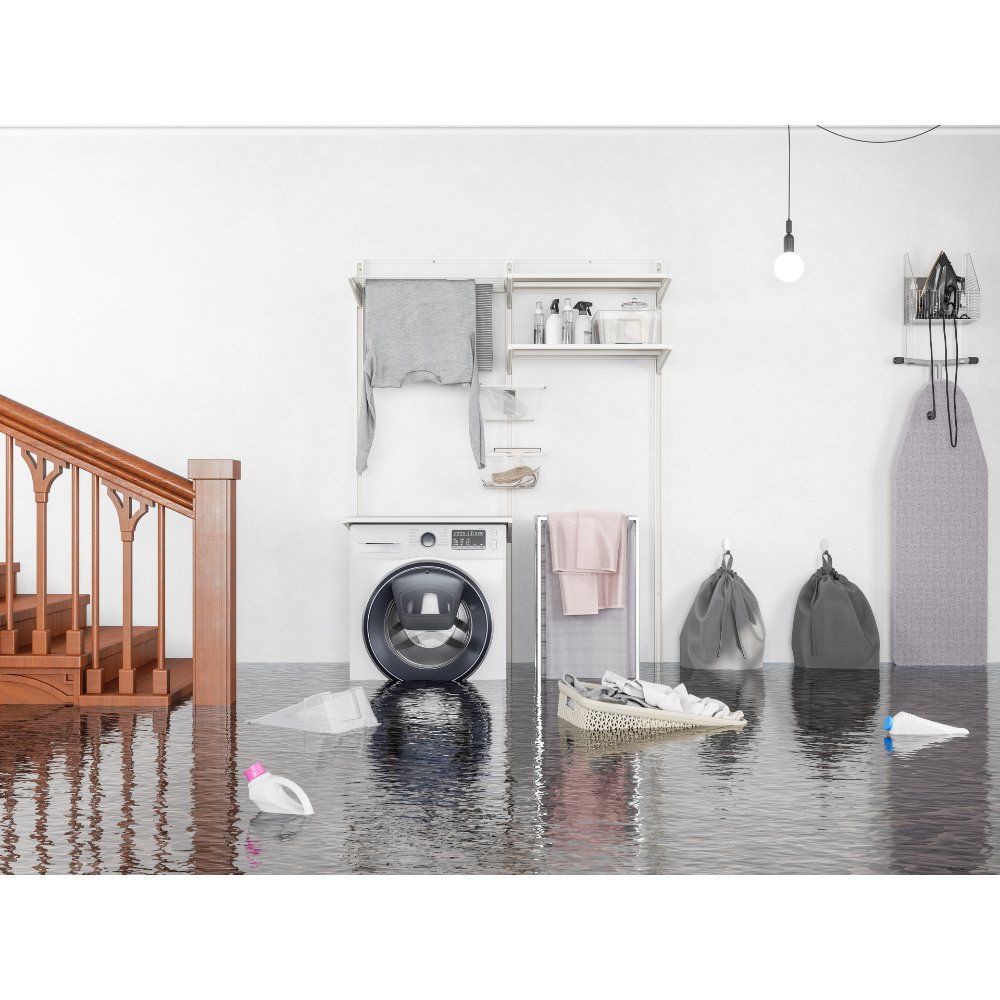
From basement flooding cleanup and sewer backups to frozen pipes, mold, and ceiling leaks, here is what an experienced local crew handles after water gets into your home.

A burst pipe, a backed-up drain, or a slow leak through a shared wall. Get fast, local water damage help and an honest plan to dry your home out.
View service →
Water in the basement spreads by the minute. Get fast pump-out, drying, and an honest plan to put it back.
View service →
A sewer backup is a biohazard, not a mess to mop. Get safe removal, sanitizing, and drying done right.
View service →
A burst pipe floods a home in minutes. Shut off the water, then get fast removal and drying.
View service →
Mold follows water. Get safe containment, removal, and the moisture fix that keeps it from coming back.
View service →
A brown ring or a sagging ceiling means water above. Find the source, dry it out, and put it back.
View service →Four steps from the first call to a dry, repaired home. The order matters: stop and extract the water, dry to a verified standard, then rebuild, so moisture is never sealed in behind a fresh wall.
Describe what happened and where. A local crew arrives to assess the source, stop more water, and start emergency work.
Pumps and extractors pull standing water out fast, before it wicks up walls and soaks deeper into floors and framing.
Air movers and dehumidifiers dry the structure, with moisture readings logged daily until materials hit a verified dry standard.
Sanitizing and mold prevention, then repairs that put the home back: plaster, drywall, flooring, trim, and paint.
Philadelphia is a city of distinct neighborhoods, and where you live shapes how water reaches your home. Here is how the housing stock, geography, and combined-sewer system line up across the city.
Oldest combined-sewer mains, stone-foundation basements, and stacked condos where upstairs leaks travel down.
View neighborhood →Low, flat ground on old marsh fill near the Delaware. High water table and floor-drain backups flood basements block by block.
View neighborhood →River flood zone along Main Street and the canal, plus steep-hillside runoff and seepage above.
View neighborhood →Some of the city's oldest rowhouse stock: aging cast-iron plumbing, settling foundations, and freeze-thaw pipe bursts.
Reference profileOld rowhouses beside new construction. Nearby digging and dewatering can shift water toward older foundations.
Reference profileTwins and stone homes on creek-drainage slopes. Wissahickon runoff and seepage push water into older basements.
Reference profileGeneral guidance from Philadelphia housing stock, the combined-sewer system, and public flood history. Risk varies block by block.
While you wait for help, a few safe steps protect your home and your claim. Work through them in order, and never put yourself near water and electricity.
Shut the main water valve, usually in the basement near where the line enters or by the meter. For a sewer backup, stop running water in the house: no flushing, sinks, or laundry.
If water is near outlets, the panel, or the heater and you can reach the breaker dry and safely, cut power to the basement. If not, stay out and leave it for the pros.
Lift valuables, electronics, and documents to a dry upper floor. In a rowhouse, the stairs are your fastest path up and out of the water's reach.
If it came up the floor drain or smells of sewage, treat it as a biohazard. Keep kids and pets away and avoid skin contact until a crew handles it.
Before you remove anything, photograph and video the water and damage from several angles. This is exactly what your insurer and adjuster need.
From Center City rowhouses and South Philly's low-lying blocks to the Manayunk hillside above the Schuylkill, homeowners across the city get fast local help. Pick your neighborhood for local detail.
Tell us what happened and an experienced local restoration crew handles the whole job, from the first extraction through the final repair, so you are not juggling vendors.
Drying is verified with moisture meters, not guessed. In rowhouses with plaster walls and stone basements, beating the 24 to 48 hour mold window is the whole point.
You get a clear scope and upfront pricing before work starts, plus the documentation your insurance adjuster needs to support the claim.
Water emergencies do not wait for business hours, and neither does the response. Call the moment you find water, day or night.
Call a water damage restoration crew to start extraction and drying right away, and open a claim with your insurer. If it came up through the floor drain it is a sewer backup and needs biohazard handling. For the source, call the right trade: a plumber for a failed line, a sewer contractor for a collapsed lateral. In Philadelphia, getting the water out fast is what prevents mold and protects the heater and finished basement.
Water damage is treated as an emergency, and help is available across Philadelphia day or night. When you call, describe what happened and where so the crew arrives with the right pumps and drying equipment.
It depends on the cause. A sudden burst pipe is usually covered, but sewer and drain backups need a separate backup endorsement, and overland flooding from the Schuylkill or Delaware needs flood insurance. Document everything with photos before cleanup begins.
It depends on the water category, the area affected, and what it soaked. Small clean-water jobs can run a few hundred dollars; a contaminated sewer backup across a finished basement runs several thousand. The reliable way to get a real number is an on-site assessment with upfront pricing before work starts.
Tell us what happened and where. Get fast water damage help from an experienced local crew across Philadelphia, from Center City to South Philly to Manayunk, day or night.
215-273-9067